
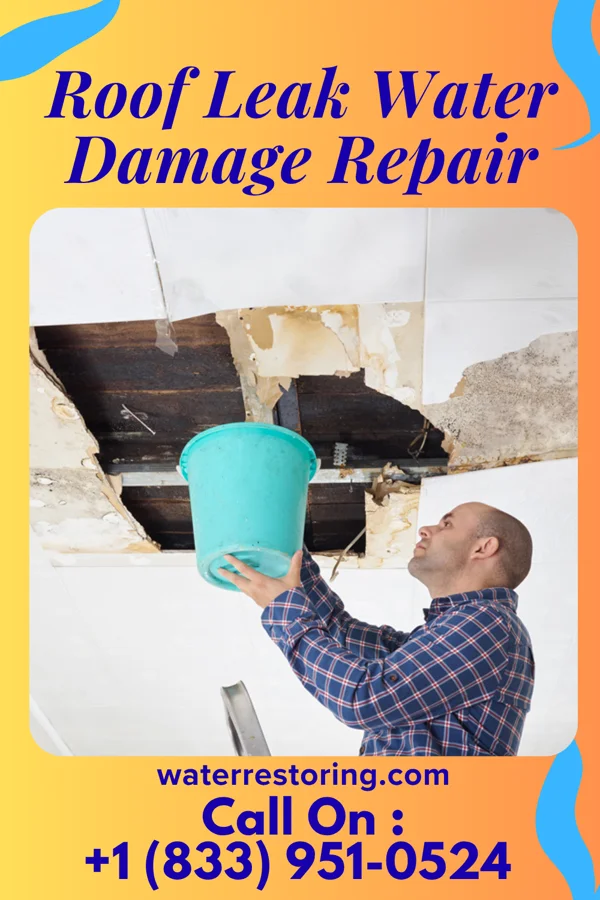
Allentown Roof Leak Damage: What Owners Should Know
Residential or commercial, water damage emergencies in Allentown keep coming back to the same drivers. Allentown, Georgia experiences frequent thunderstorms and heavy downpours, especially during the late spring and early summer months. These intense rain events can quickly overwhelm roofing systems, leading to leaks and water damage. The area is also prone to occasional high winds that can dislodge roofing materials, increasing the risk of leaks. sits at the top of the list. A close second is The region sees a moderate amount of humidity throughout the year, which contributes to prolonged moisture issues after rain events. In the fall, sudden temperature drops can cause roofing materials to contract, creating gaps that allow water to seep in. These weather patterns make timely roof inspections and repairs critical..
The climate in Allentown, Georgia, leads to common issues such as water infiltration through damaged shingles, deteriorated flashing, and compromised gutters. These issues often result in interior water damage, mold growth, and structural concerns if not addressed promptly.
Water damage in Allentown follows a few local patterns. Allentown, Georgia experiences frequent thunderstorms and heavy downpours, especially during the late spring and early summer months. These intense rain events can quickly overwhelm roofing systems, leading to leaks and water damage. The area is also prone to occasional high winds that can dislodge roofing materials, increasing the risk of leaks. accounts for the bulk of our calls. The climate in Allentown, Georgia, leads to common issues such as water infiltration through damaged shingles, deteriorated flashing, and compromised gutters. These issues often result in interior water damage, mold growth, and structural concerns if not addressed promptly. Mold growth can occur within 48 hours of water exposure in Allentown, making prompt water damage mitigation essential. The combination of high humidity and warm temperatures in the region accelerates mold development, which can lead to health risks and further structural damage if not addressed quickly.